
COX CONSTRUCTION SERVICES
Blog
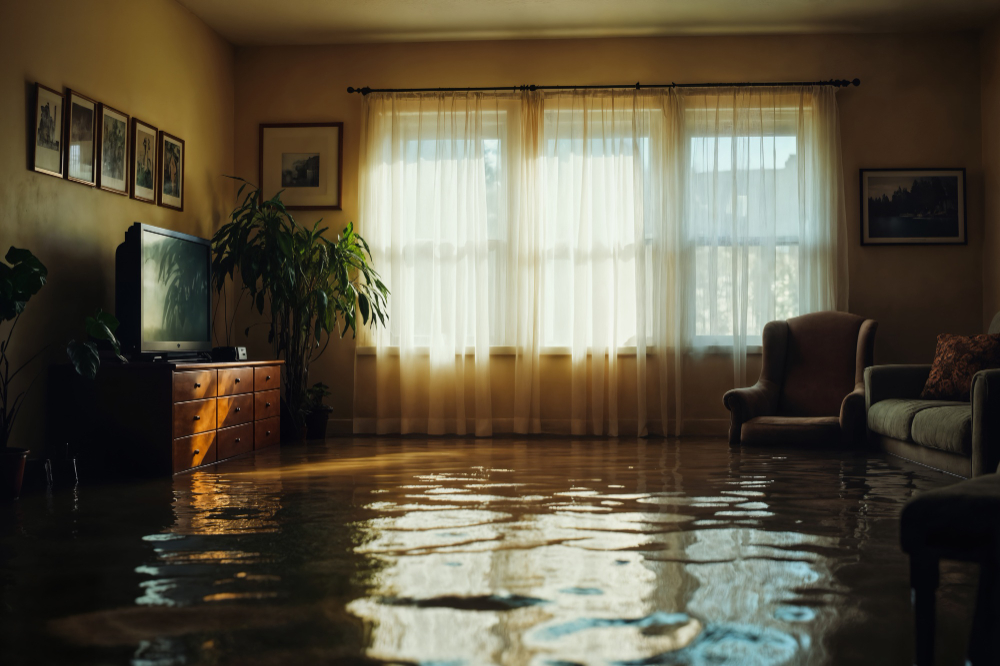
How Long Does Water Damage Restoration Take? A Full Timeline Overview
Water damage restoration follows a timeline that depends on the condition of the structure, the materials affected, and how water interacted with the space. While no two properties absorb moisture in the same way, the restoration process itself moves through clear phases. Understanding these phases provides a realistic expectation of how long the work will take and why certain steps cannot be rushed. This timeline overview offers a detailed, practical look at the restoration process as it typically unfolds in Campbellsville, KY.
What Determines the Restoration Timeline
The duration of restoration is based on measurable variables inside the property. These variables influence how long each phase lasts and how the work progresses from start to finish.
Volume of Water Present
More water requires more extraction time and a longer period for moisture reduction.
Material Porosity
Concrete, wood framing, carpet, drywall, and insulation all hold and release moisture differently. Restoration time increases when multiple materials are saturated.
Environmental Conditions
Temperature, ventilation, and local humidity levels influence evaporation rates. Basements and enclosed spaces typically slow the process.
Water Category
Clean water restores faster; contaminated water (gray or black water) requires additional sanitation and controlled removal of affected materials.
Structural Layout
Cabinet-filled rooms, narrow hallways, and complex floorplans may require strategic equipment placement, affecting timing.
General Timeline of Water Damage Restoration
While each property behaves differently, most restoration projects follow the stages outlined below. These stages form the basis of a realistic timeline.
Initial Assessment and Moisture Mapping
Technicians identify affected areas, measure moisture levels, and determine the scope of work.
Time estimate: 1–3 hoursWater Extraction
Standing water is removed to prevent further absorption.
Time estimate: a few hours to a full day, depending on volumeDrying and Dehumidification
This is the longest phase. Airflow and humidity control stabilize the environment while moisture is drawn out of materials.
Time estimate: 2–5 days on averageMonitoring and Adjustments
Daily moisture readings ensure each material reaches safe levels before equipment is removed.
Time estimate: 10–20 minutes per visit, over several daysMaterial Removal or Cleaning
Damaged materials are removed, cleaned, or prepared for rebuilding.
Time estimate: 1–3 days depending on material volumeRepairs and Reconstruction
Replacement of flooring, drywall, trim, or other finishes restores the space to pre-loss condition.
Time estimate: several days to several weeks, depending on scope
Situations That Extend the Timeline
Certain conditions cause restoration to take longer than standard estimates.
Deep Material Saturation
Moisture inside insulation, subflooring, or framing requires extended drying.
Limited Ventilation
Closed-off areas prolong evaporation and require more dehumidification.
Structural Complications
Older homes, irregular layouts, and outdated building materials slow progress.
Contamination
Sewage or stormwater events require additional cleaning, disposal, and safety protocols.
Mold Presence
If mold is discovered, remediation adds time to both drying and reconstruction.
FAQs
Is it possible to speed up the drying phase?
Drying can be accelerated with controlled air movement and dehumidification, but exceeding certain temperatures or altering airflow incorrectly can trap moisture, slowing the process instead of helping it.
Does moving furniture slow the restoration timeline?
It can. Furniture sitting on wet surfaces traps moisture underneath. Clearing the area early allows equipment to work more efficiently.
Why does equipment run continuously?
Stopping equipment prematurely allows moisture to settle back into materials. Continuous operation ensures steady evaporation and humidity control.
Can different rooms dry at different speeds?
Yes. Rooms with carpet dry differently than rooms with tile or concrete. Ventilation and construction type also influence drying time.
Do homeowners need to leave during the restoration process?
Most families stay home. Equipment noise and airflow may be inconvenient, but it is generally safe unless contamination or major demolition is involved.
Conclusion
Water damage restoration follows a predictable sequence, but the actual timeline depends on moisture depth, material response, environmental factors, and required repairs. A typical project in Campbellsville, KY may last from several days to several weeks when considering both drying and reconstruction. Understanding each stage helps set clear expectations and ensures the process moves efficiently from cleanup to complete restoration.

Our Services
Service Areas
© 2025 All Rights Reserved | Cox Construction Services