
COX CONSTRUCTION SERVICES
Blog
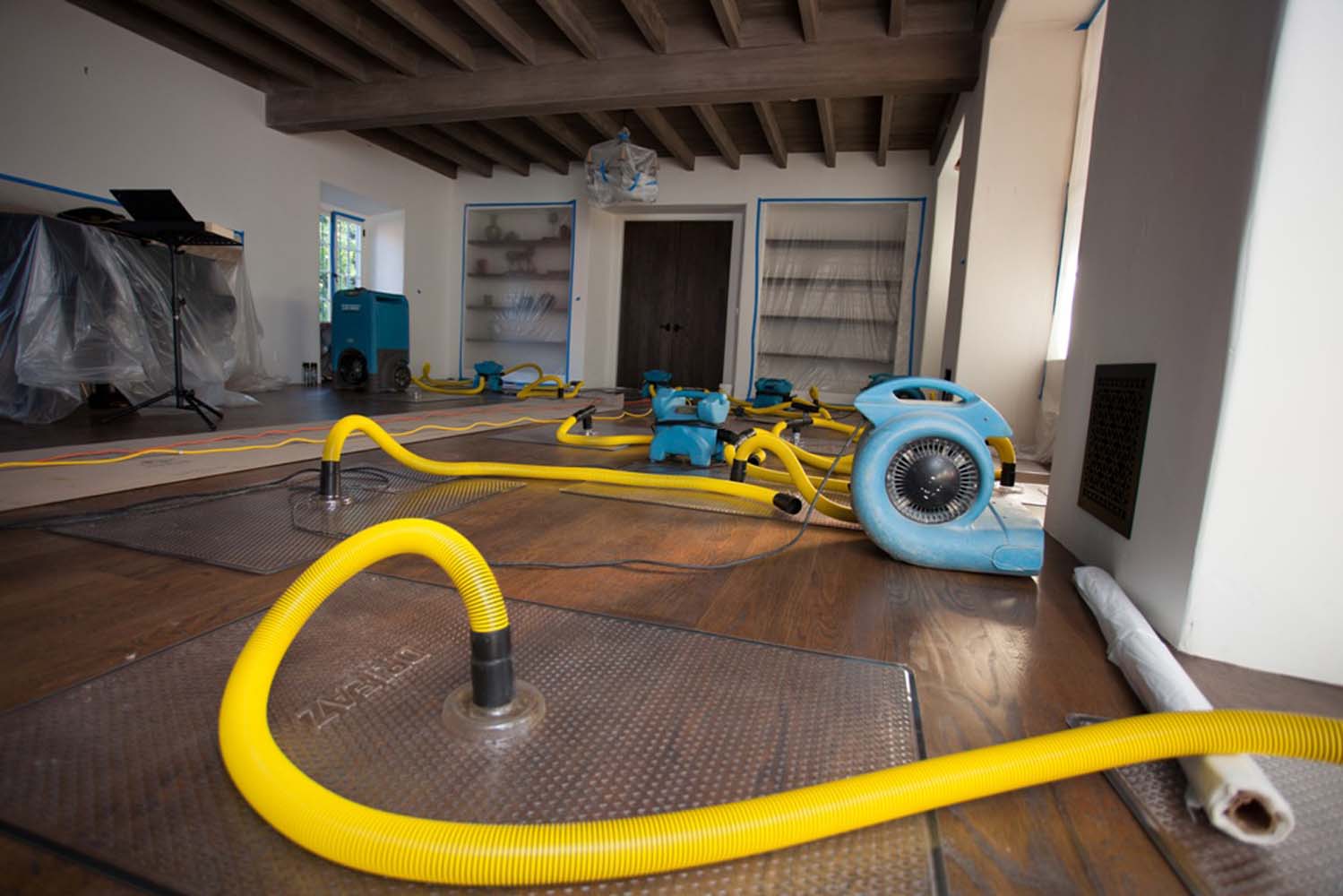
Water Damage Restoration Costs per Square Foot: Pricing Explained
Square-foot pricing has become one of the most common ways to evaluate water damage restoration costs. Instead of quoting broad totals, restoration companies often break the project down into the precise area affected so homeowners understand exactly how damaged space translates into expense. This approach is especially useful in situations where the footprint is irregular, limited to specific sections, or spread between several isolated zones. Below is a clear explanation of how square-foot pricing works and what it represents within the restoration process.
Why Square-Foot Calculations Are Used
Square-foot pricing offers a consistent way to measure work volume. It removes guesswork by linking each foot of affected material to the amount of labor, equipment, and preparation required. This model is widely used because it adapts easily to real-world homes where water does not always follow neat boundaries. Whether the moisture spreads across an entryway, into a closet, or into only parts of a room, the cost aligns directly with the exact area involved.
Factors That Influence Per-Square-Foot Pricing
Several variables affect how much each square foot will cost to restore. These are the most common drivers.
Construction Type
Homes differ in how they are built. A square foot of concrete slab reacts differently than a square foot of hardwood over a crawlspace. Some assemblies dry quickly; others retain moisture and require extended treatment.
Layer Count
A single square foot may include multiple layers: flooring, padding, subflooring, drywall, insulation, framing. The more layers impacted, the higher the cost per foot.
Type of Finish
Different finishes require different corrective actions.
Painted drywall may only need partial removal
Decorative trim must be reinstalled or refinished
Premium flooring increases material replacement cost
Water Origin
Square-foot pricing rises when the source involves contamination because additional protocols, disposal requirements, and safety measures are mandatory.
Equipment Density
Some areas need more concentrated equipment based on their layout—tight hallways, enclosed spaces, and corners often require more airflow per foot than open rooms.
How Contractors Apply Square-Foot Pricing
Square-foot pricing is not simply multiplied by area. Instead, contractors assign values to components of the work and apply them only where necessary.
Identify the exact footprint of all affected zones
Determine the number of structural layers involved
Apply cost tiers based on assembly complexity
Add equipment density adjustments for layout
Include removal or reconstruction only if required
This produces a price that reflects the true amount of work inside each measured square foot, rather than an averaged number applied to an entire room.
Practical Examples of How Pricing Shifts
To illustrate how square-foot pricing behaves, here are common situations that impact the final calculation.
Single Flooring Layer
Only the surface flooring is affected. Minimal removal, straightforward drying, low reconstruction involvement.
Multi-Layer Saturation
Moisture has reached padding, subflooring, or wall surfaces. Each added layer increases the square-foot cost due to removal and reinstallation.
Confined Areas
Closets, pantries, and narrow spaces often increase cost per square foot because they require modified equipment placement and additional labor.
Sectioned-Off Damage
Damage that skips areas—such as along one wall or around specific fixtures—may decrease total cost but raise the square-foot average because the work is more detailed and slower to perform.
FAQs
Why is square-foot pricing sometimes higher in smaller damaged areas?
Smaller footprints often require the same setup time, protection measures, and equipment adjustments as larger areas. When overhead is spread over fewer square feet, the cost per foot increases.
Is square-foot pricing more accurate than full-room pricing?
Yes. It allows contractors to charge only for the precise area impacted rather than billing for an entire room when only part of it needs work.
Can different rooms have different per-square-foot costs?
Absolutely. Bathrooms, basements, and kitchens often have more complex assemblies and materials that shift the cost per foot.
Does square-foot pricing include reconstruction?
Not automatically. Reconstruction is added based on which materials need replacement, not the footprint alone.
Does the type of equipment affect cost per square foot?
It does. Some materials require specialty drying methods, which increase the cost of treating each affected foot.
Conclusion
Square-foot pricing gives a clear, measurable view of water damage restoration costs. It reflects not just the size of the affected area but also the structure, materials, and effort required to return each foot of space back to a safe, dry condition. For homeowners in Campbellsville, KY, this method delivers a more predictable and transparent way to understand restoration expenses—especially when water spreads unevenly or affects multiple layers of construction.

Our Services
Service Areas
© 2025 All Rights Reserved | Cox Construction Services