
What Are the Biggest Hidden Problems After Storm Damage in Campbellsville, KY?
The Damage You Don’t See Is Often the Most Expensive
After a strong storm moves through Campbellsville, Kentucky, most homeowners look for the obvious signs — missing shingles, fallen branches, water on the floor. But storm damage doesn’t always show itself immediately.
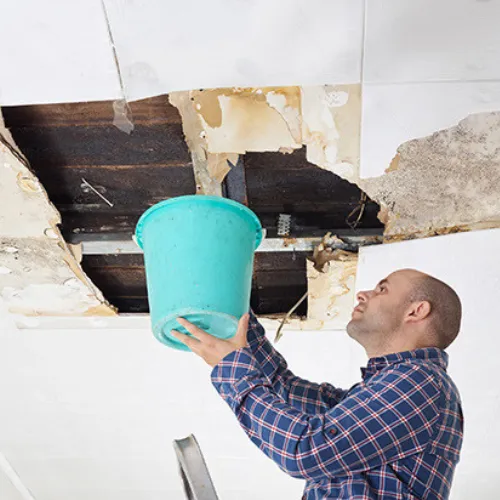
Wind-driven rain, hail impact, and rapid pressure changes can create hidden problems inside roofing systems, wall cavities, and foundations. These issues may take weeks or even months to appear, and by then, repairs are often more extensive.
Understanding the biggest hidden problems after storm damage helps homeowners act early and prevent long-term structural and financial consequences.
Roof Damage Beneath the Shingles
Roofing systems are the first line of defense during Kentucky storms. Even if shingles appear intact, underlying components may be compromised.
Storm damage in Campbellsville often affects:
Underlayment layers
Flashing around vents and chimneys
Roof decking beneath shingle lines
Nail seals loosened by high winds
Hail can bruise shingles without cracking them, weakening their protective surface. Over time, these weakened areas allow water intrusion that spreads into attic spaces.
Because these issues are not always visible from the ground, professional roof inspections are essential after severe storms.
Moisture Trapped Inside Walls
Wind-driven rain can enter through small openings around windows, siding seams, or roof edges.
Once moisture enters, it may become trapped behind:
Drywall
Insulation
Exterior sheathing
In Campbellsville’s humid climate, trapped moisture can lead to mold growth within 24 to 48 hours. Because wall cavities are enclosed, damage may go unnoticed until staining, odor, or structural softening appears.
Moisture detection tools are often required to identify hidden saturation.
Attic Ventilation and Insulation Damage
Storms can disrupt attic systems in ways that aren’t immediately obvious.
Heavy winds may shift ridge vents or soffit vents, reducing proper airflow. Rain intrusion can saturate insulation, lowering its thermal performance.
When insulation remains wet:
Energy efficiency decreases
Mold risk increases
Wood framing may begin to deteriorate
In Campbellsville, Kentucky, seasonal temperature changes make proper attic ventilation especially important. A compromised attic system often becomes a long-term hidden issue after storm damage.
Foundation and Drainage Complications
Storm damage is not limited to roofs and siding.
Heavy rainfall can overwhelm drainage systems and saturate soil around foundations. Over time, this can lead to:
Hairline foundation cracks
Basement moisture intrusion
Shifting or settling
Exterior grading erosion
These problems may not appear until weeks after the storm passes, particularly if repeated rainfall follows.
Homes in Campbellsville with older drainage systems are especially vulnerable to this type of hidden storm damage.
Electrical System Exposure
Storm damage can impact electrical components in subtle ways.
Water intrusion near outlets or wiring may not cause immediate failure but can create corrosion or safety hazards later.
Common hidden risks include:
Moisture inside breaker panels
Compromised exterior fixtures
Damaged wiring connections
Because electrical damage can pose fire risks, professional inspection is recommended if water exposure is suspected.
Step-by-Step: What to Do After Storm Damage
If your property in Campbellsville, Kentucky has experienced severe weather, follow this evaluation process.
Step 1: Perform a Visual Exterior Check
Look for obvious signs of roof damage, siding displacement, or fallen debris.
Step 2: Inspect the Attic
Check for damp insulation, visible light through roofing boards, or musty odors.
Step 3: Examine Interior Ceilings and Walls
Watch for discoloration, bubbling paint, or new cracks.
Step 4: Monitor Basements and Crawl Spaces
Look for standing water, dampness, or shifting foundation lines.
Step 5: Schedule a Professional Inspection
Hidden storm damage often requires specialized tools to identify. Early detection reduces long-term repair costs.
Taking these steps quickly after a storm helps prevent minor issues from escalating.
The Cost of Ignoring Hidden Storm Damage
When hidden storm damage goes unaddressed, small vulnerabilities can become expensive repairs.
Potential consequences include:
Mold remediation costs
Roof deck replacement
Structural wood rot
Interior drywall reconstruction
Foundation stabilization
In Campbellsville, Kentucky, repeated seasonal storms can compound unresolved issues, making early evaluation even more important.
Insurance Considerations After Storm Damage
Insurance policies often cover sudden storm-related damage, but delayed reporting can complicate claims.
If hidden issues are discovered months later, documentation becomes critical. Professional inspections immediately following a storm help establish timelines and support insurance claims.
Homeowners should photograph visible damage and retain inspection reports whenever possible.
FAQs About Hidden Storm Damage
How soon should I inspect my home after a storm?
A visual inspection should occur immediately, followed by a professional evaluation if damage is suspected.
Can hail damage be invisible?
Yes. Hail can bruise shingles without creating obvious cracks, weakening the roofing system over time.
What are early signs of hidden water damage?
Musty odors, ceiling discoloration, peeling paint, and increased humidity indoors may indicate hidden moisture.
Is attic inspection necessary if the roof looks fine?
Yes. Storm damage often affects underlayment and decking that cannot be seen from the ground.
Does insurance cover hidden storm damage?
Coverage typically applies to storm-related damage, but prompt documentation strengthens claims.
Conclusion: The Importance of Looking Beyond the Surface
Storm damage in Campbellsville, Kentucky does not always reveal itself immediately. Hidden moisture, structural shifts, and ventilation disruptions can quietly develop into costly repairs if left unaddressed.
Proactive inspections help uncover problems early, reducing long-term financial impact and protecting structural integrity. When evaluating potential storm damage, experienced professionals like Cox Construction can provide thorough assessments and guide homeowners through necessary repairs to ensure lasting protection.

© 2026 All Rights Reserved | Cox Construction Services
Website Done By: LocalEyes