
COX CONSTRUCTION SERVICES
Blog
When Should You Choose Emergency Water Removal Over DIY Cleanup?
The First Decision Matters
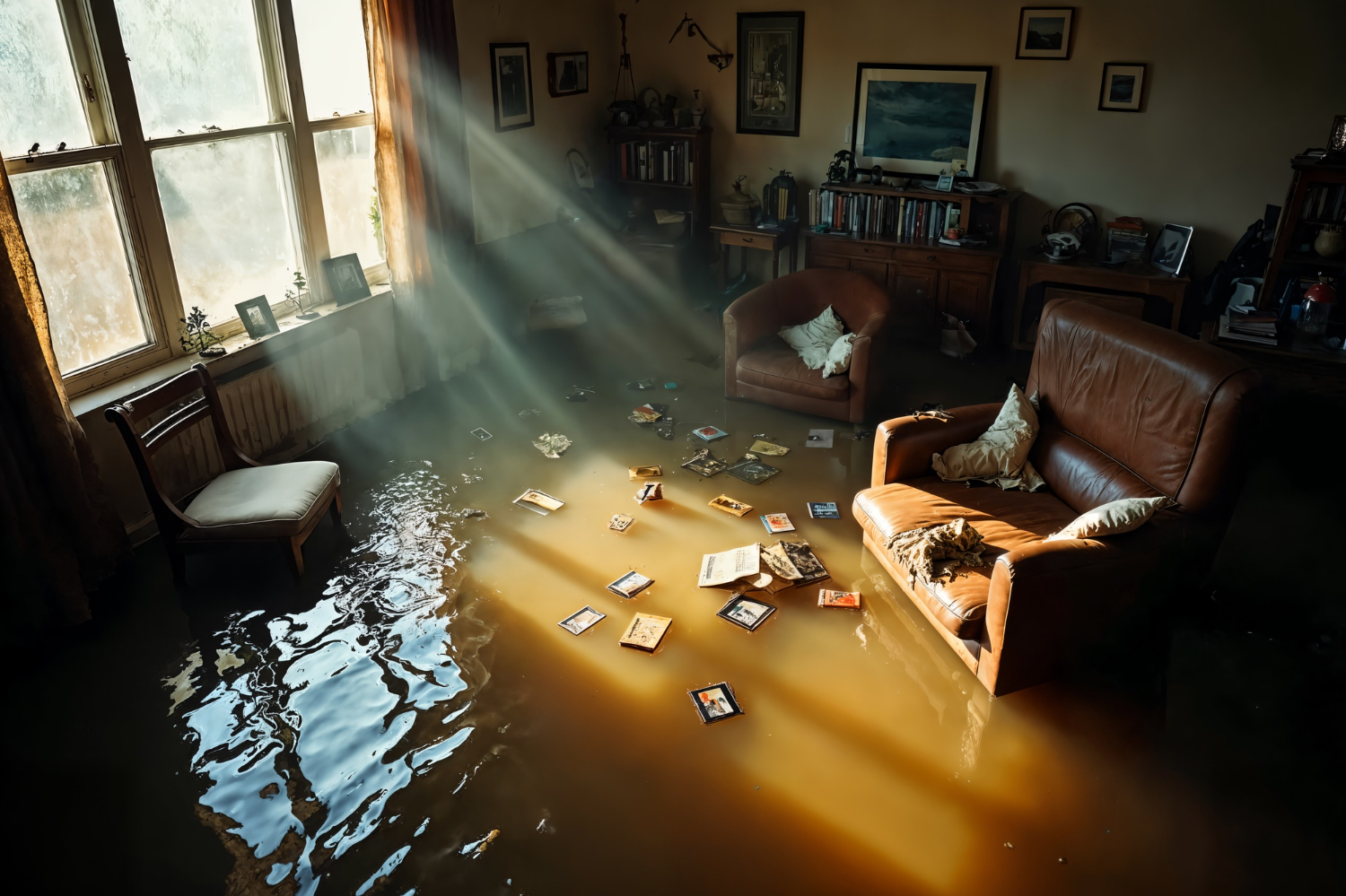
Water shows up where it shouldn’t — a burst pipe under the sink, a soaked carpet after heavy rain, or a sump pump failure during a storm in Campbellsville, Kentucky. In those first moments, homeowners face a critical choice: grab towels and a shop vacuum, or call for emergency water removal.
The difference between DIY cleanup and professional emergency water removal often determines whether the issue stays minor or turns into structural damage, mold growth, and expensive repairs. Understanding when to step back and call professionals can save both time and money.
This guide explains when DIY cleanup is reasonable and when emergency water removal is the smarter decision.
Understanding What DIY Cleanup Can — and Can’t — Handle
DIY water cleanup works best in very limited scenarios.
It may be appropriate when:
The water is clean (from a small supply line leak).
The affected area is small.
The water is caught immediately.
No porous materials are heavily saturated.
However, DIY methods have limitations. Household fans and wet vacuums cannot:
Detect hidden moisture inside walls.
Remove deeply absorbed water from subflooring.
Fully dry insulation or structural framing.
Prevent microbial growth in humid conditions.
In Campbellsville, Kentucky, humidity can accelerate moisture-related damage, even if visible water seems minimal.
Situations That Require Emergency Water Removal
Certain conditions make professional emergency water removal essential rather than optional.
Standing Water Covering Large Areas
If water spreads across flooring or pools in a basement, extraction requires industrial equipment. The longer standing water remains, the greater the risk of structural saturation.
Water That Has Sat for More Than 24 Hours
Moisture begins penetrating drywall, insulation, and framing quickly. After 24 to 48 hours, mold growth becomes a real concern — especially in Kentucky’s climate.
Sewage Backups or Contaminated Water
Black water from sewer backups or storm flooding contains harmful bacteria. This type of contamination requires protective gear, sanitation procedures, and safe disposal methods.
Electrical System Exposure
If water contacts outlets, wiring, or appliances, professional evaluation is critical to prevent fire or shock hazards.
Saturated Carpeting and Padding
Carpet padding absorbs water like a sponge. Even if the surface feels dry, moisture trapped underneath can lead to odor and mold issues.
When any of these conditions are present, emergency water removal in Campbellsville should be handled by trained professionals.
Comparing DIY Cleanup and Emergency Water Removal
To better understand the difference, consider the following comparison.
The tools and expertise involved in emergency water removal are designed to address hidden damage, not just surface moisture.
Step-by-Step: How to Decide What to Do
If water enters your home in Campbellsville, Kentucky, use this quick evaluation process.
Step 1: Identify the Source
Is the water clean, gray, or contaminated? If the source is unknown or potentially hazardous, do not attempt DIY cleanup.
Step 2: Measure the Affected Area
If more than a small section of flooring is wet, professional extraction may be required.
Step 3: Check Duration
If water has been sitting longer than a few hours and materials feel saturated, the risk of hidden damage increases.
Step 4: Inspect Porous Materials
Drywall, insulation, and wood framing trap moisture. If these materials are wet, emergency water removal is recommended.
Step 5: Consider Humidity Levels
Campbellsville’s humid conditions make thorough drying critical. Without commercial dehumidifiers, moisture may linger.
If multiple warning signs appear during this evaluation, professional help is the safer choice.
The Hidden Risks of Choosing DIY When You Shouldn’t
Attempting to manage severe water damage without proper tools can lead to:
Mold growth inside wall cavities
Warped subflooring
Structural wood rot
Persistent musty odors
Insurance claim complications
Insurance companies often require documentation from certified restoration professionals. Inadequate cleanup may affect coverage if secondary damage develops later.
Cost Perspective: Short-Term Savings vs Long-Term Expenses
DIY cleanup may save immediate service fees, but improper drying can increase long-term repair costs.
Emergency water removal focuses on:
Rapid extraction
Controlled drying
Moisture monitoring
Prevention of secondary damage
In Campbellsville, Kentucky, fast professional response often reduces total restoration costs by preventing mold and structural deterioration.
When DIY Cleanup Is Reasonable
Not every water issue requires emergency service.
DIY cleanup may be appropriate when:
A small amount of clean water is contained on a hard surface.
No porous materials are affected.
You can dry the area completely within hours.
There is no odor or visible structural impact.
If conditions are minimal and controlled, careful cleanup may resolve the issue.
FAQs About Emergency Water Removal
How fast should I call for emergency water removal?
If water spreads beyond a small area or involves contamination, immediate response is recommended.
Is emergency water removal expensive?
Costs vary based on severity, but early professional intervention often reduces overall repair expenses.
Can I dry wet drywall myself?
Surface drying is possible, but moisture inside the wall cavity may remain trapped without professional equipment.
What if I only see minor staining?
Staining may indicate deeper moisture intrusion. A professional inspection can determine the extent of hidden damage.
Does insurance cover emergency water removal?
If the damage results from a sudden and accidental event, insurance often covers restoration. Coverage varies by policy.
Conclusion: Knowing When to Act Quickly
The decision between DIY cleanup and emergency water removal depends on severity, contamination, and the risk of hidden damage. While small spills can be handled independently, larger or prolonged water exposure in Campbellsville, Kentucky often requires professional intervention.
Acting quickly protects your structure, prevents mold, and preserves indoor air quality. When the situation extends beyond surface moisture, experienced professionals like Cox Construction can assess the damage thoroughly and implement effective emergency water removal to restore your home safely.

Our Services
Service Areas
© 2026 All Rights Reserved | Cox Construction Services
Website Done By: LocalEyes